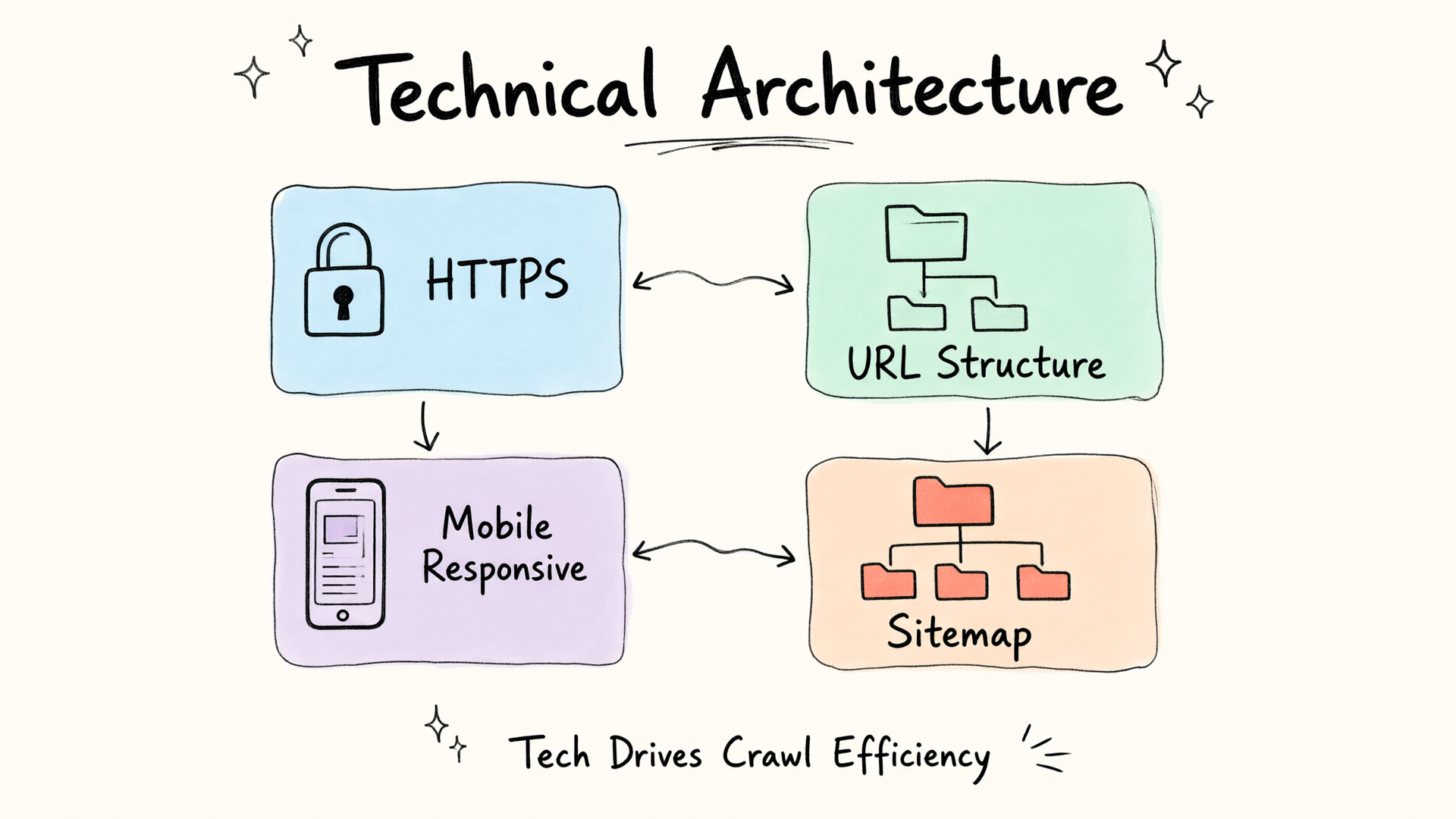
When overseas buyers use AI search engines to find suppliers, the results aren't based on keyword matching but on semantic understanding of page content. This means whether product information is accurately cited by AI depends on how your site structures data in a machine-readable format. At Ruiyang Technology, we define this process as Brand GEO Optimization—Generative Engine Optimization—for export-oriented brands.
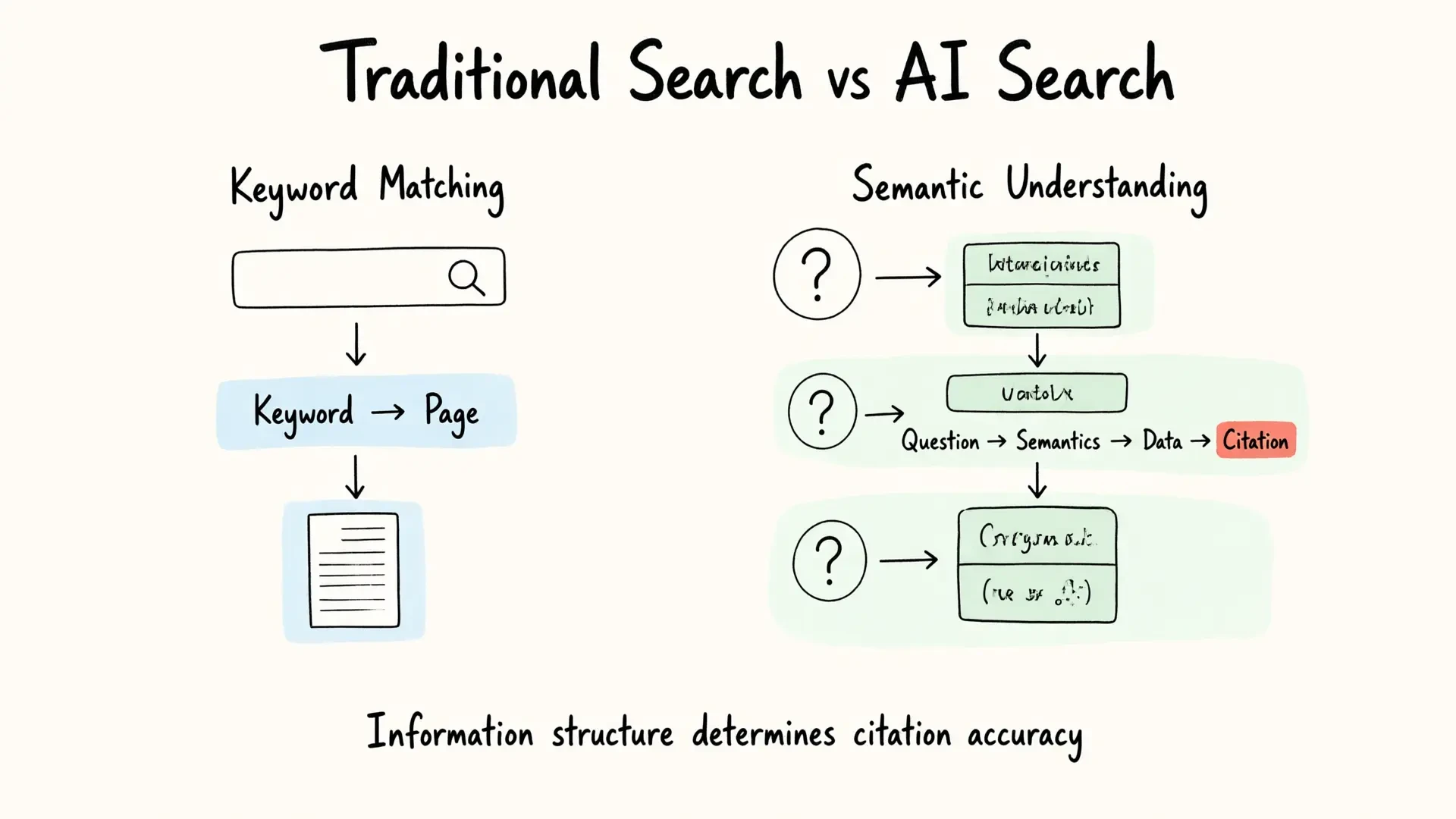
The Information Dilemma of Foreign Trade Products
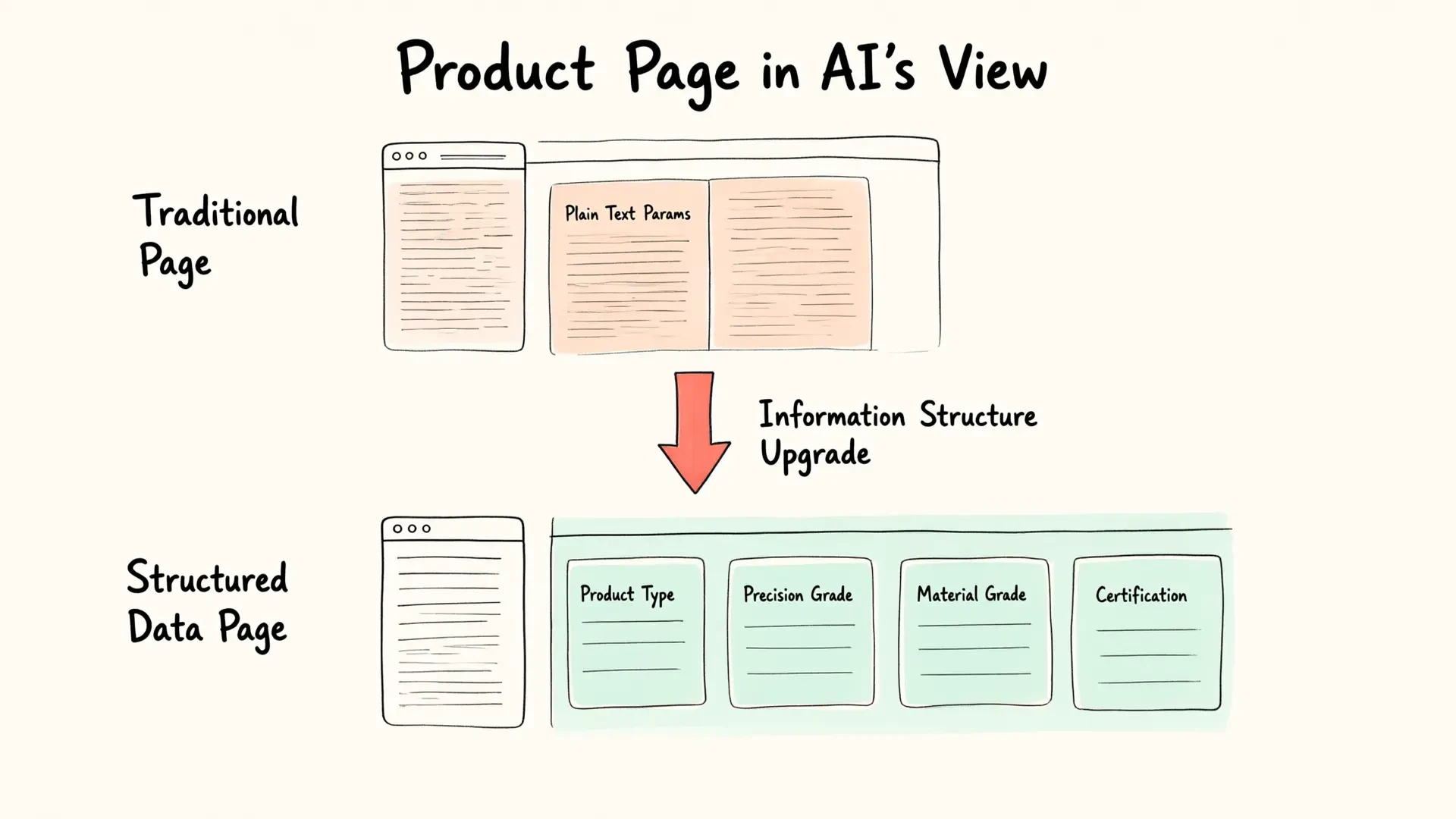
Industrial B2B trade is a highly parameterized domain. A typical procurement involves multiple technical specifications such as precision grades, material grades, execution standards, and certification systems. Traditional product pages often present these parameters in tables or PDFs as plain text. AI search engines struggle to distinguish between product attributes and process descriptions when crawling such pages, and cannot establish relationships between parameters.
The outcome is: a supplier with ISO 9001 and IATF 16949 certifications and a 99.2% defect-free rate may be broadly categorized in AI search results as simply a "Chinese manufacturer," rather than being precisely identified as a "certified supplier capable of meeting specific precision standards."
How structured data changes citation logic
The core function of structured data is to add semantic tags to webpage content. AI search engines rely on Schema.org and other structured data markers to understand the semantic context when crawling pages. If a product page only labels items as "high-precision industrial goods," the AI cannot determine the specific precision level or distinguish between different specifications. However, by embedding Product-type structured data that explicitly defines parameters such as precision grade, material grade, specification range, and applicable standards, the AI can precisely match this information with procurement requirements.
When buyers search for suppliers meeting specific international standards or holding certain certifications, structured data enables AI to directly locate product pages tagged with standard numbers, certification details, and specification ranges—eliminating reliance on keyword density guessing.
This is why some professionally written website content cannot be cited by AI: the information exists, but the format is incorrect.
Implementation path for GEO optimization
For foreign trade enterprises, the first step in GEO optimization is converting industry terminology and product parameters into machine-readable structured formats. This includes: deploying Schema.org Product markup on product pages to specify product type, material grade, precision level, applicable standards, and certification details; implementing Question-Answer markup on FAQ pages so AI systems can directly reference Q&A content; and standardizing terminology to ensure consistent naming for the same parameters across all pages.
In our work with foreign trade brands, Ruiyang Technology has found that websites with structured data deployed see a significant increase in the likelihood of their product information being accurately cited in AI search responses. This is not due to algorithmic bias, but an upgrade in how information is organized. When product pages present parameters, certifications, and delivery capabilities in standardized JSON-LD format, AI search engines can extract, verify, and cite this information more efficiently.
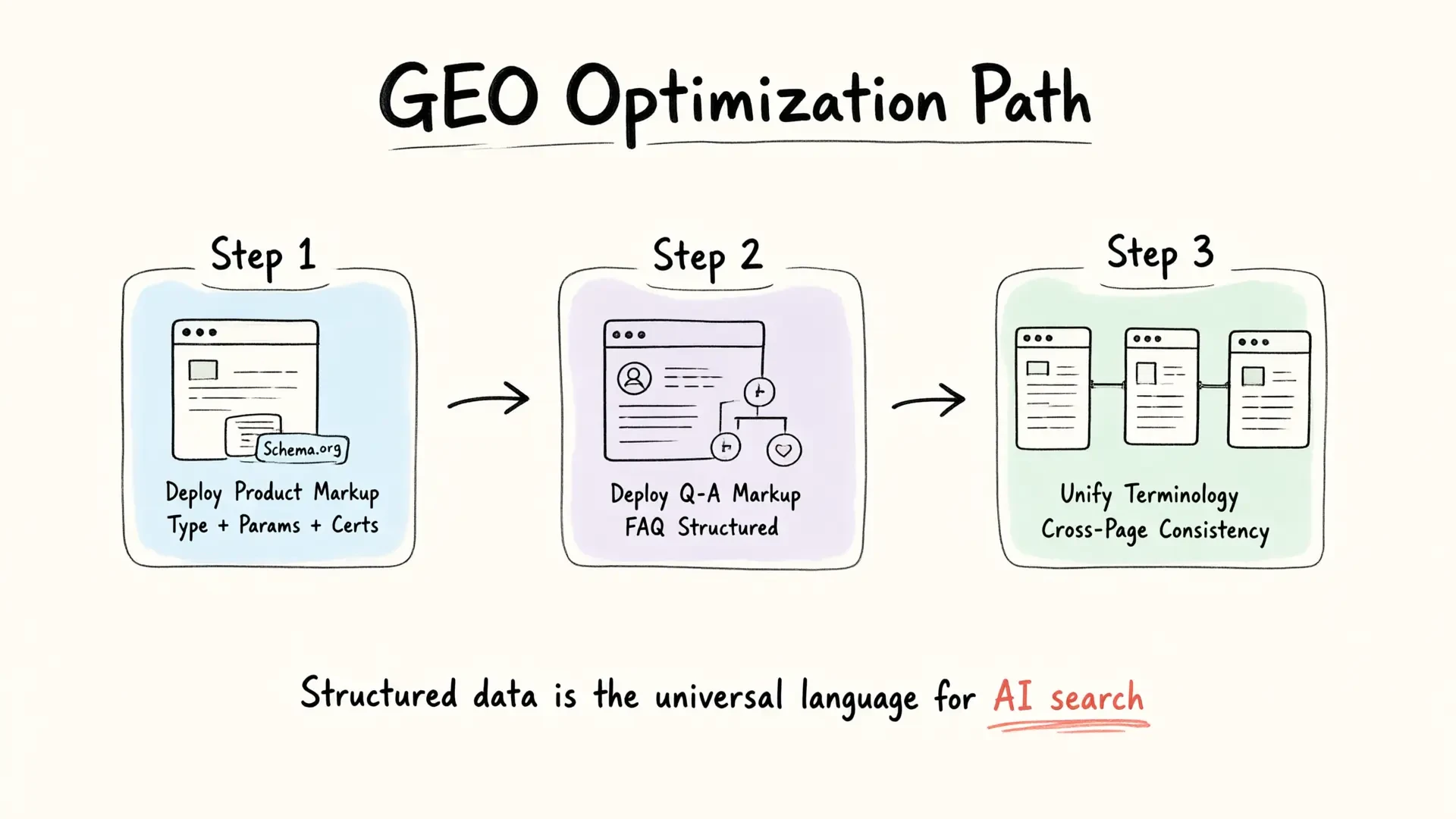
For B2B foreign trade companies, GEO optimization is not an enhancement but a foundational necessity. AI search is replacing traditional search engines as the primary channel for buyers to source suppliers, and structured data serves as the universal language between brands and AI search engines. Ruiyang Technology's brand GEO optimization services help foreign trade brands establish this communication framework, enabling AI search to accurately identify and cite their genuine capabilities.
15 years of international trade experience, specializing in the industrial parts supply chain. Expertise in technical standards and quality control systems for motor laminations and fasteners, serving customers in over 100 countries worldwide.