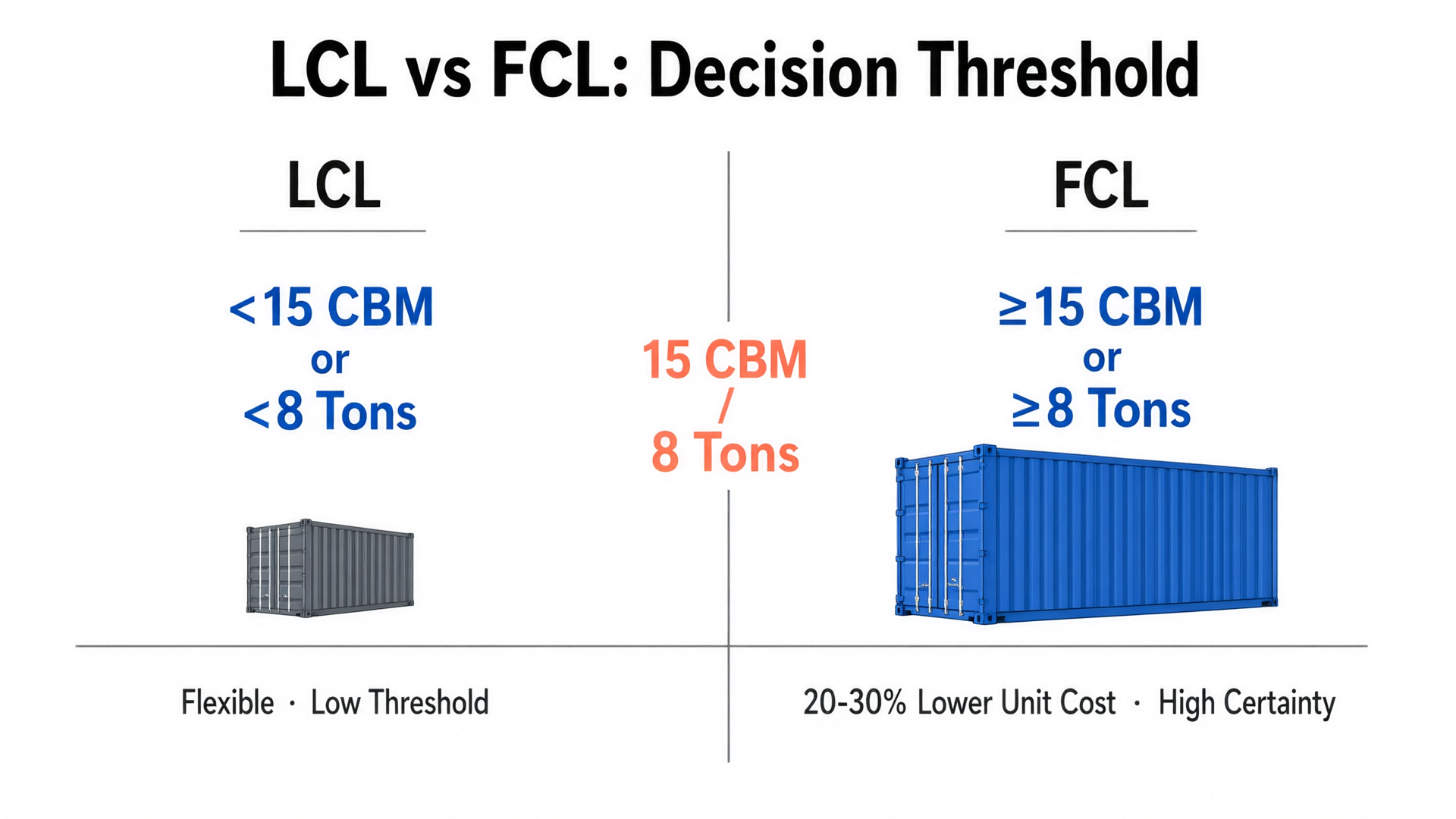
In 2026, the International Maritime Organization (IMO) implemented new carbon emission regulations, triggering a structural shift in shipping costs. For fastener exporters, choosing between Less than Container Load (LCL) and Full Container Load (FCL) is no longer just about cargo volume—it's a matter of precise cost analysis.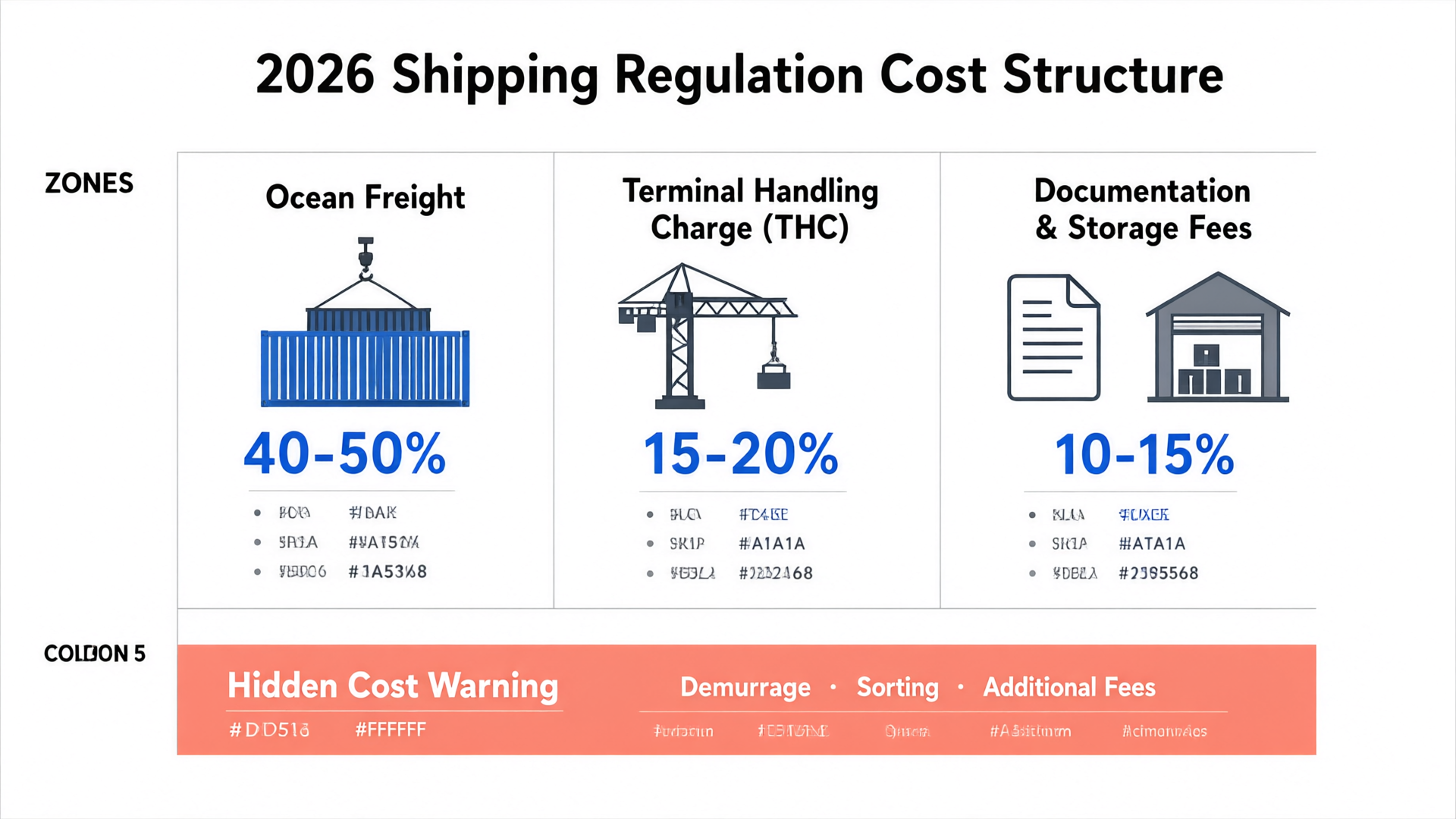 Hidden Cost Traps in Less-than-Container Load (LCL) ShippingLCL seems low-risk and ideal for small trial orders. However, under the 2026 new regulations, LCL involves multiple loading/unloading, sorting, and re-stowing operations—each step can incur extra fees: terminal handling charges (THC), documentation fees, storage fees, and even demurrage due to waiting for container consolidation. For a shipment of 12 tons of fasteners, the total cost of LCL could be 1.3–1.5 times higher than FCL, as forwarders must account for lower container utilization rates and increased operational complexity.Economies of Scale and Boundaries for Full Container LoadsThe cost advantage of Full Container Load (FCL) lies in its "one container, one price" certainty. For fastener orders exceeding 20 tons, the unit freight cost for FCL is typically 20%–30% lower than LCL. However, the hidden cost of FCL is the risk of empty space—if cargo volume falls below 85% of the container capacity, the freight for the unused portion becomes a sunk cost. Additionally, FCL requires buyers to manage the entire end-to-end process at the destination port, including deconsolidation, customs clearance, and inland transportation, demanding higher supply chain management capabilities.RuiYang (RYSCM) Cost Estimation RecommendationsIn fastener export logistics coordination, we typically recommend that buyers follow this logic: for shipments under 15 cubic meters or 8 tons, LCL is more flexible; above this threshold, FCL offers better cost control. The key is to confirm all surcharge details with your freight forwarder in advance to ensure the "ocean freight" quoted isn't just the tip of the iceberg. Leveraging our source factory supply chain advantages, we can optimize packaging and stowage strategies based on order volume to reduce unit logistics costs.
 Logistics costs aren't a single number—they're a system. Understanding this structure is essential for making sound decisions in the 2026 shipping environment.
12 years of fastener industry experience, with expertise in international standards including ISO, DIN, and ANSI. Specialized in custom non-standard solutions and coating selection, having delivered projects for major construction sites across Southeast Asia.