Industry News
Industrial Component Procurement Knowledge, Supply Chain Insights, and Technology Education

Correlation Between Stator and Rotor Core Appearance Defects and Performance Risks
Stator and rotor core cosmetic defects are never just surface issues. Burrs, rust spots, loose stacking, and mechanical scratches each correspond to specific performance degradation paths. The core task of quality inspection is to infer internal performance risks from visual indicators and cut off potential failure chains before delivery.
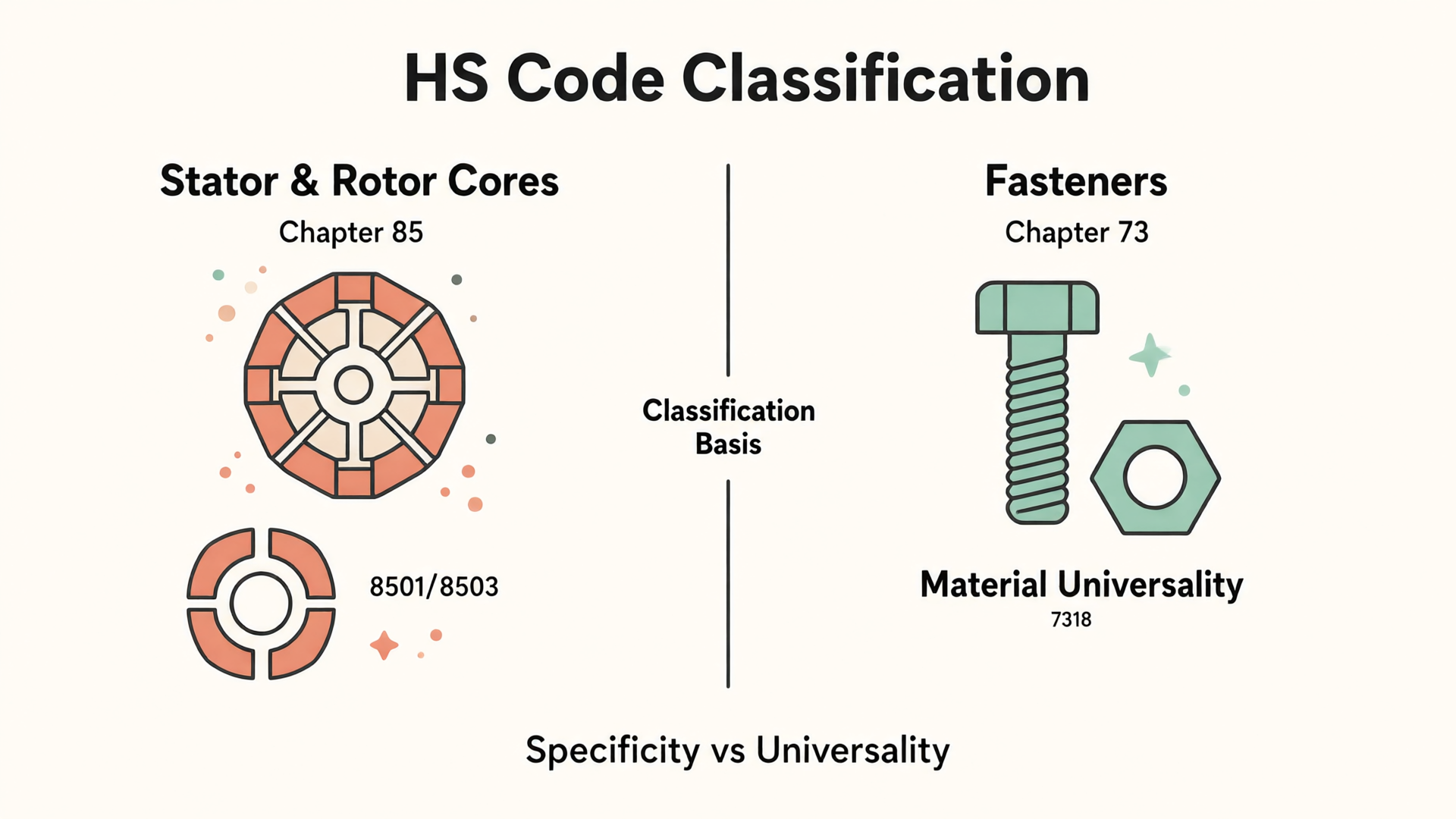
Practical Guide to Declaring Stator and Rotor Cores with Fasteners: HS Classification and Tariff Comparison
In international trade, HS code classification directly determines tariff rates and customs clearance efficiency. Although stator/rotor cores and fasteners are both industrial components, they differ fundamentally in customs classification logic, applicable tax rates, and declaration requirements. Understanding these differences is essential for controlling export costs and mitigating compliance risks.
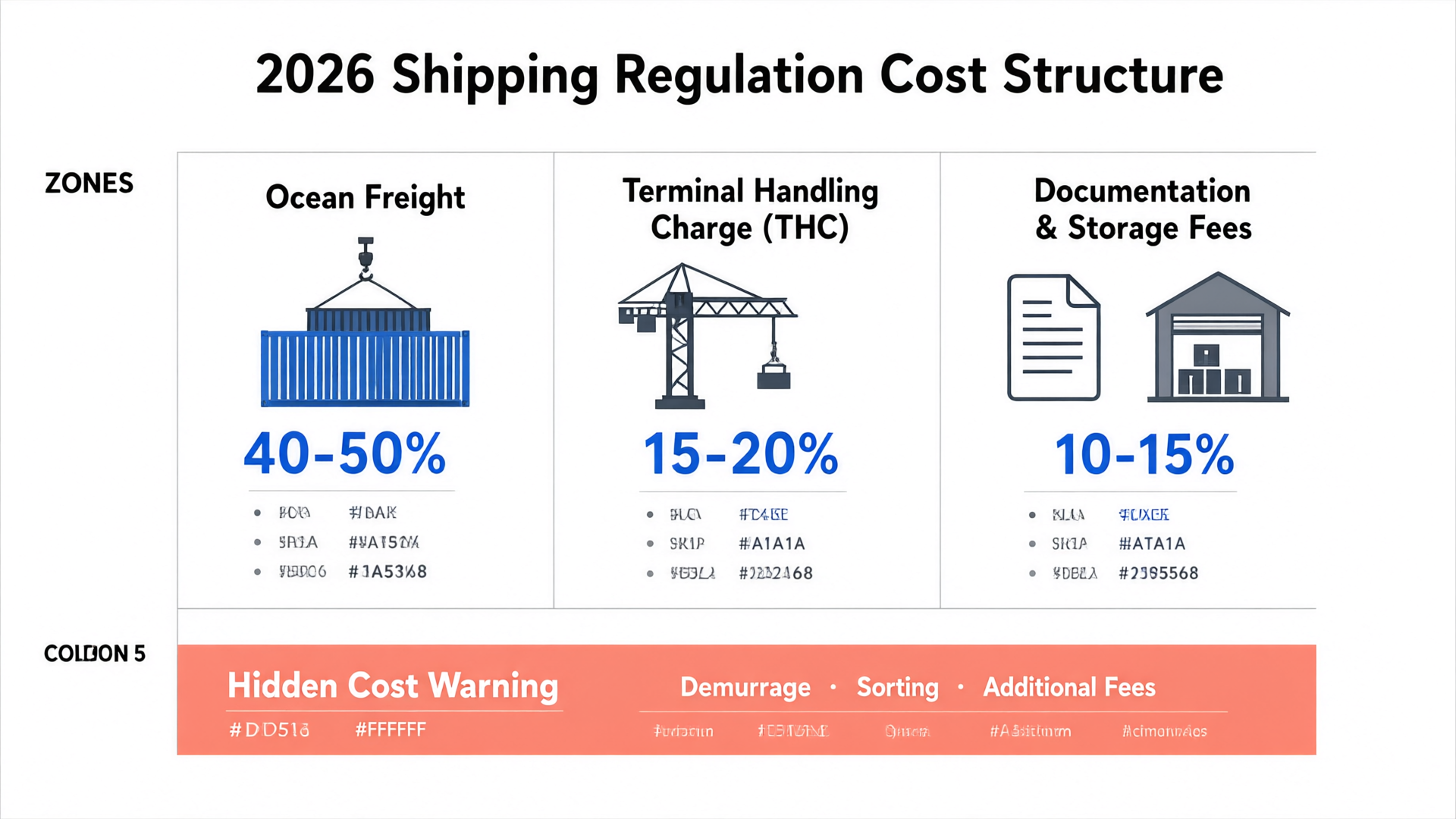
Cost calculation logic for consolidated and full container load fastener exports under new shipping regulations for 2026
In 2026, the IMO's new carbon emission regulations took effect, driving structural changes in shipping costs. For fastener exporters, choosing between LCL and FCL is no longer just about cargo volume—it's a matter of precise cost calculation.
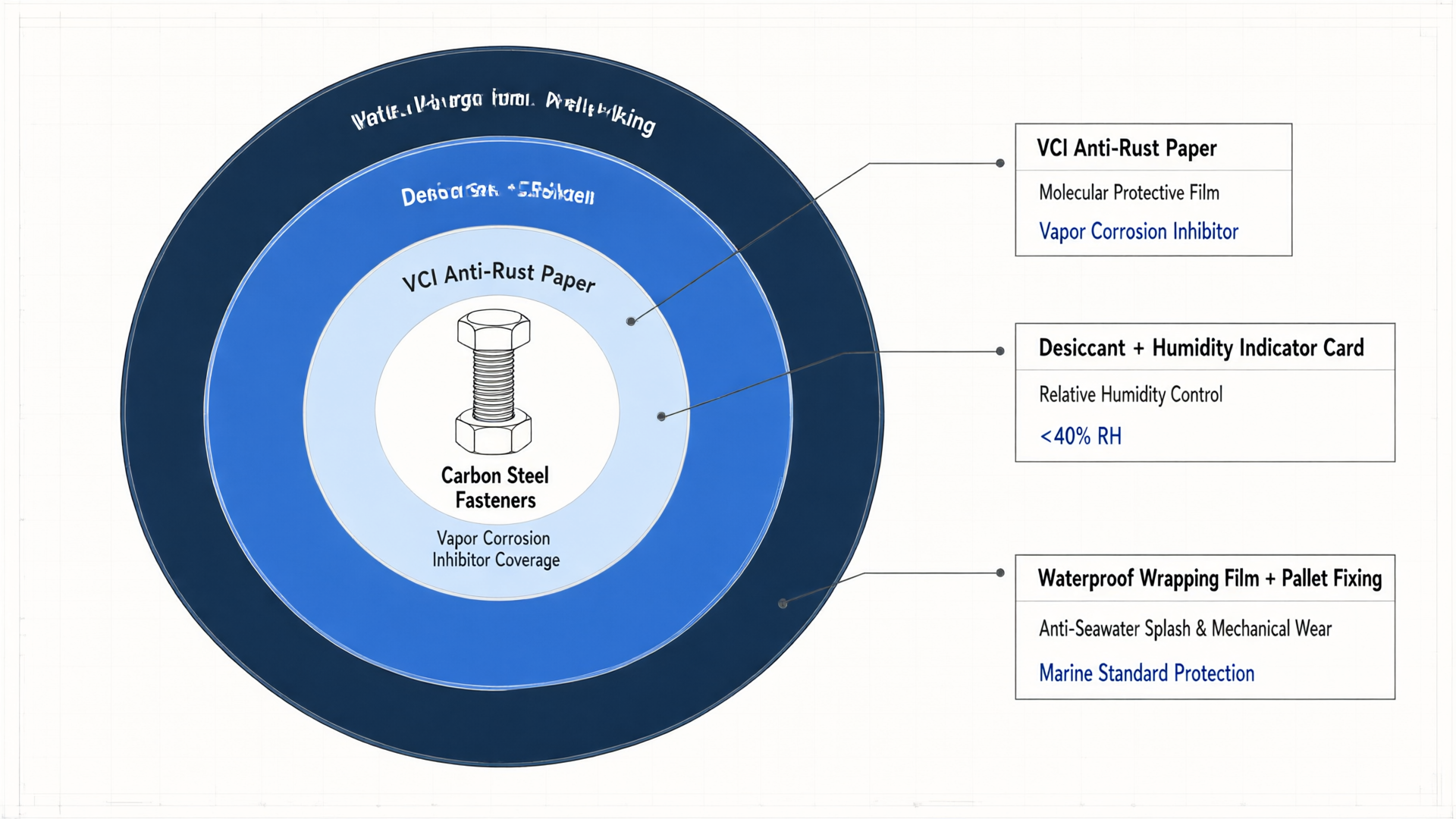
Practical Guide to Coordinating Rust Prevention and Delivery Timelines for Exported Fasteners via Sea Freight
10 is the peak ordering window for overseas buyers. With long shipping cycles and fluctuating temperature and humidity, misalignment between rust prevention packaging and production scheduling can lead to costly claims due to corrosion upon arrival or severe production line stoppages from delays. This article breaks down the operational synergy between these two critical factors.
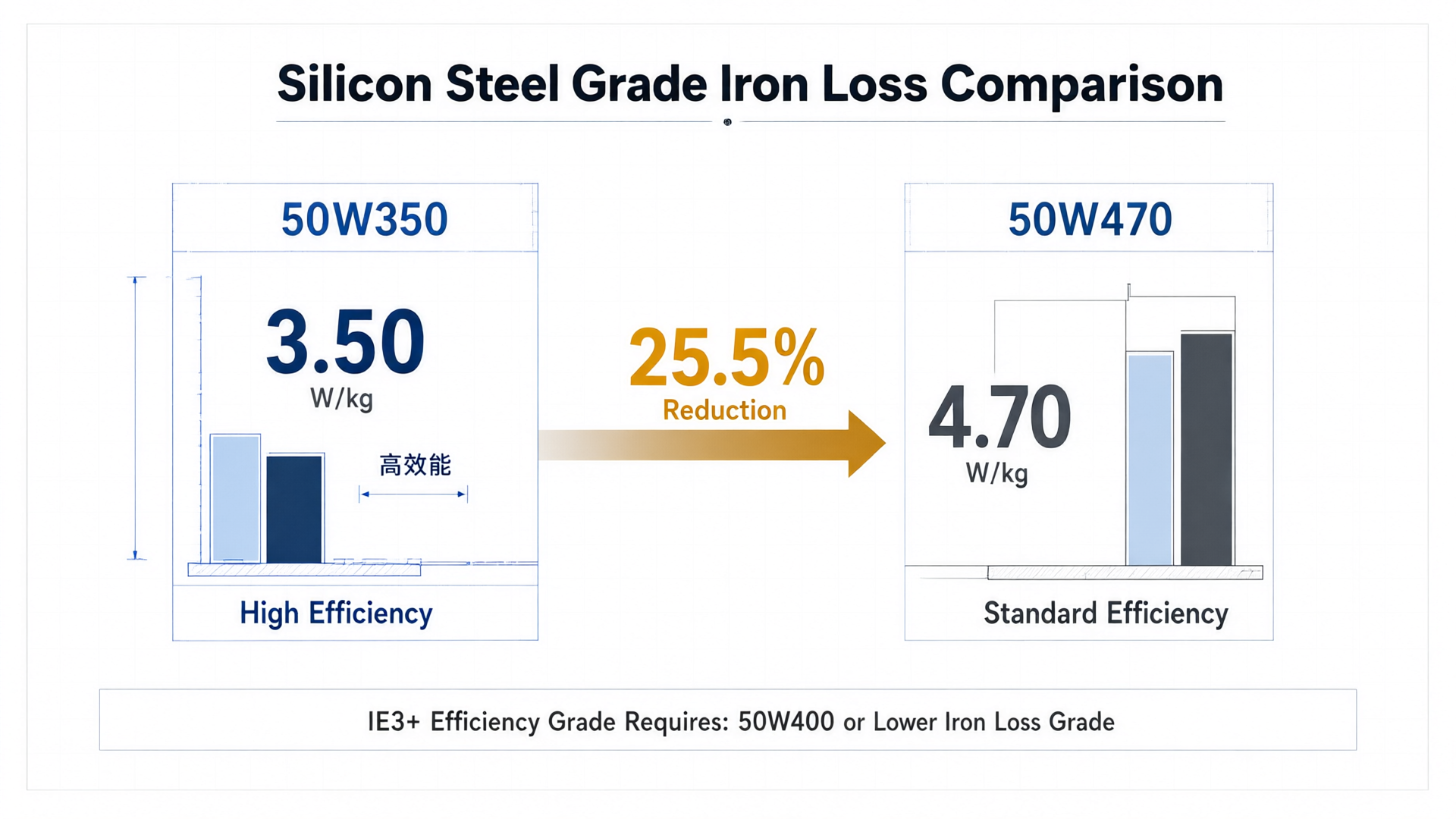
Silicon Steel Grades and Stacking Processes: Energy Efficiency Decision Logic in Rotor and Stator Core Procurement
Improving motor energy efficiency levels fundamentally reflects enhanced control over core losses. During the procurement of stator and rotor cores, the selection of silicon steel grades and the quality of stacking processes directly determine magnetic performance, which in turn dictates the overall motor's energy efficiency rating.

Motor Plant Procurement: Four-Phase Supplier Documentation & Timeline Guide
From initial screening to small-batch trial production, each stage of motor manufacturing requires suppliers to provide complete documentation and respond promptly. The procurement process for stator/rotor cores and fasteners—the core components and supporting materials—can be broken down into four phases.

Motor Procurement Technical Acceptance Criteria: Starting with IT6 Precision and G2.5 Dynamic Balancing
Motor buyers frequently encounter a critical issue when accepting stator and rotor cores: suppliers declare them compliant, yet vibration exceeds limits, noise becomes abnormal, or efficiency drops after installation. The root cause lies in acceptance criteria being limited to "drawing specifications" without quantifiable testing protocols. This article breaks down the logic for setting technical acceptance standards by focusing on two core metrics: IT6 precision and G5 dynamic balancing.
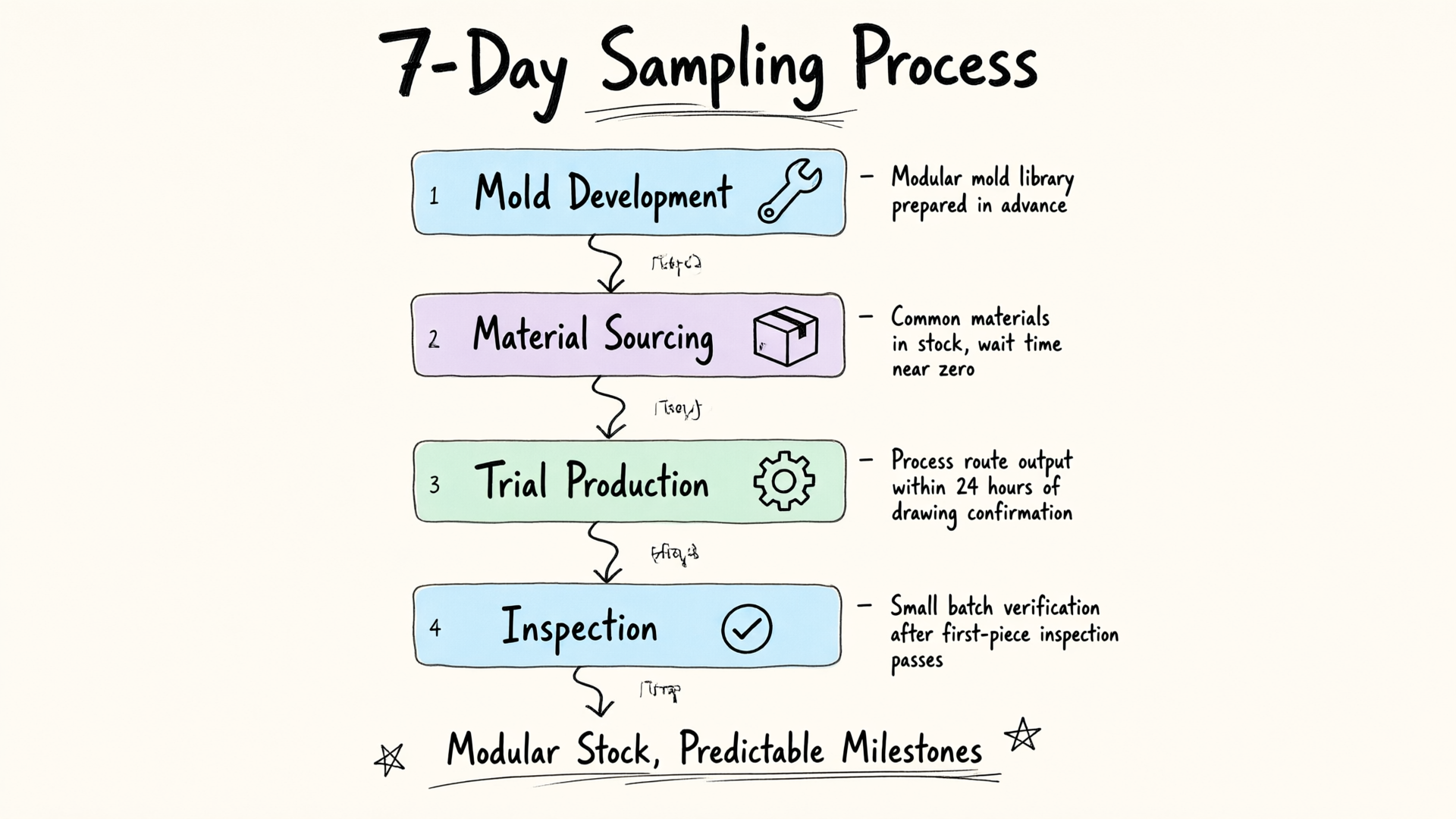
Non-standard fastener customization: Aligning prototyping timelines with global logistics
Procurement decisions for non-standard fasteners hinge not on price, but on timing. The precision with which prototyping cycles align with logistics plans—from drawing approval to mass delivery—directly dictates production line scheduling efficiency. This article dissects the supply chain logic through two dimensions: prototyping cadence and logistics integration.
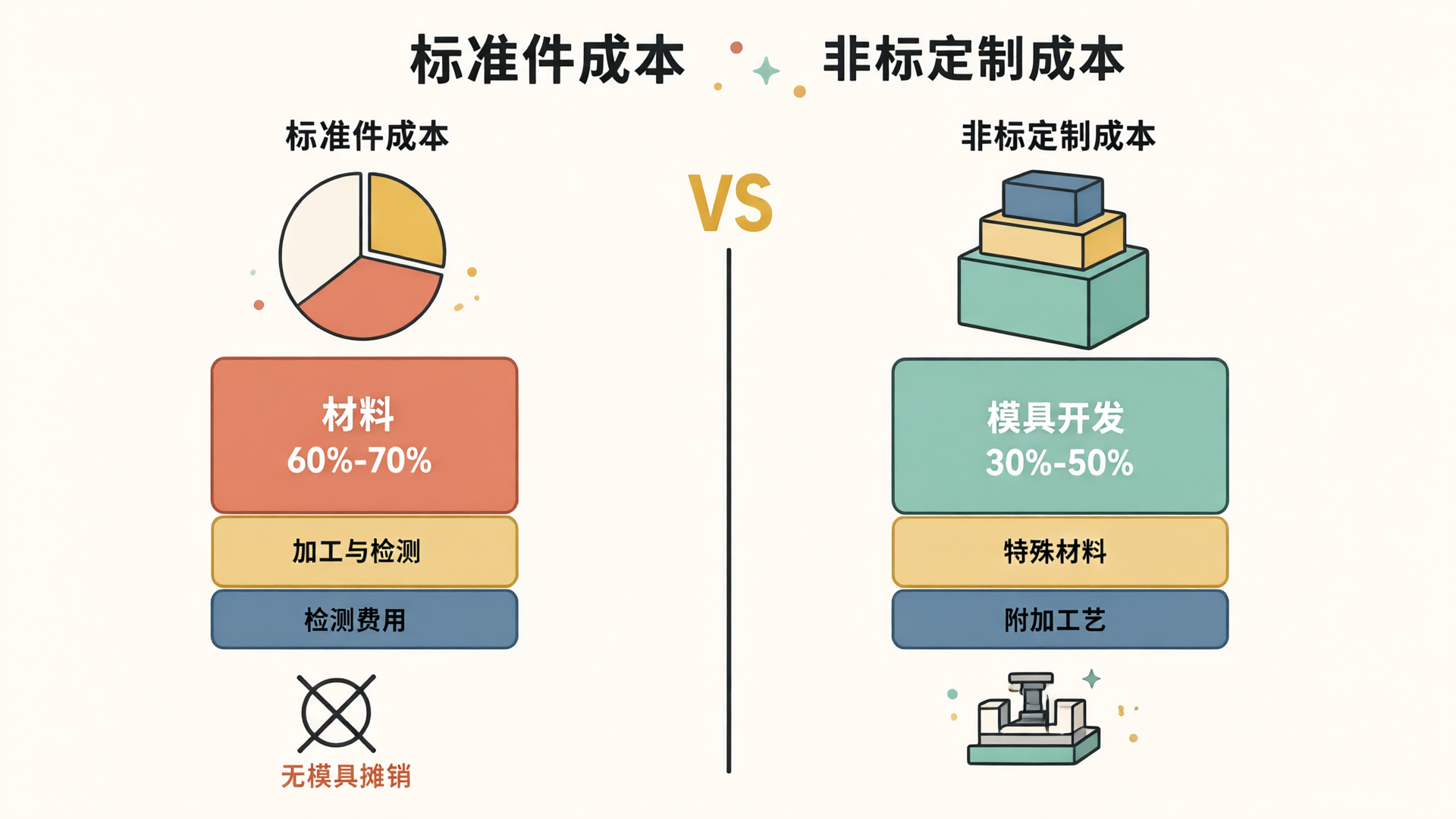
Fastener Selection: Cost and Lead Time Decision Guide for Standard vs. Custom Parts
In B2B procurement, choosing between standard and custom fasteners is fundamentally a trade-off between cost and lead time. The two categories differ significantly in cost structure and delivery logic; understanding these structural differences is essential for making an accurate decision.
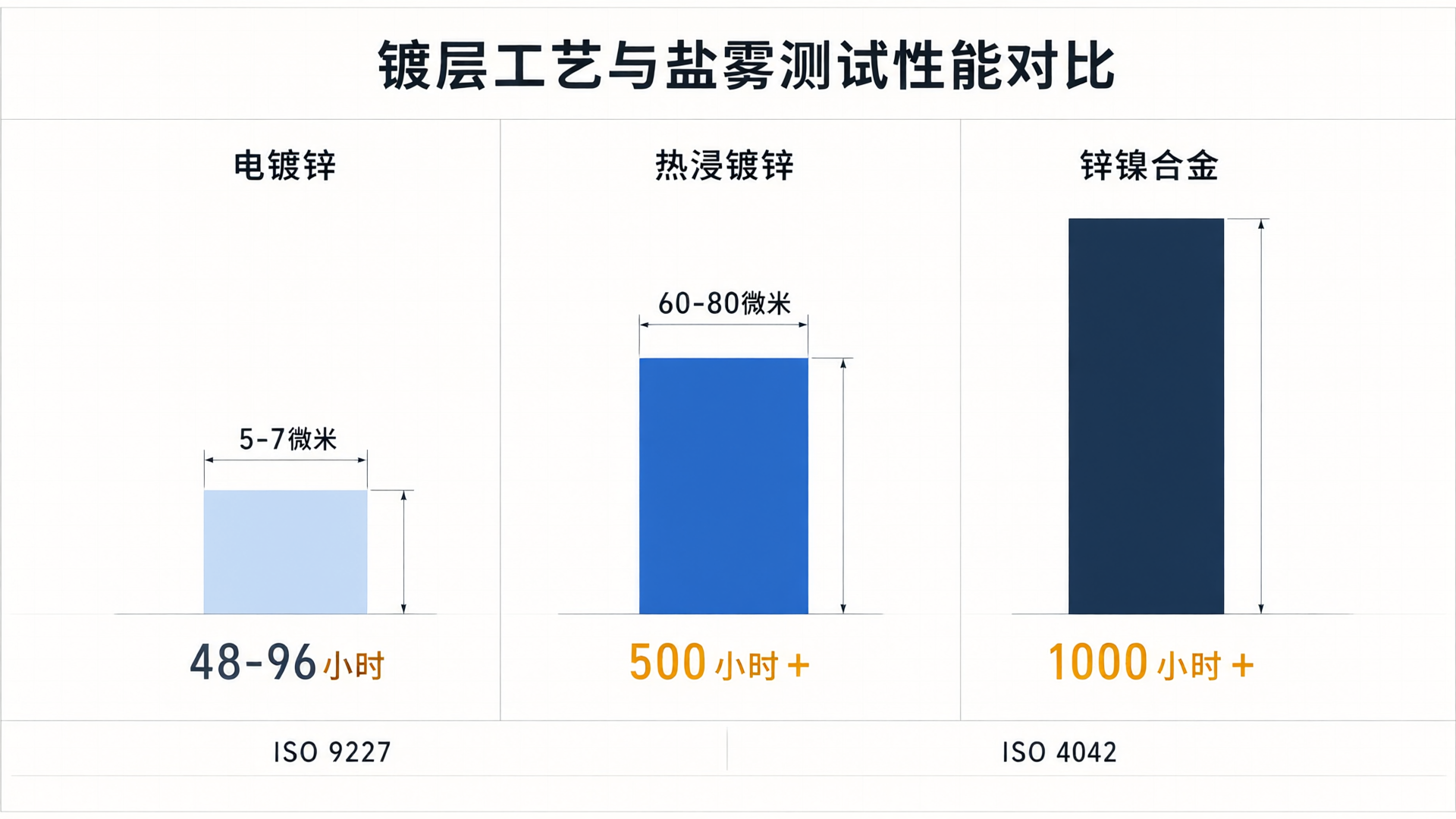
Fastener Selection for Construction in Southeast Asia: Practical Analysis of Coatings and Salt Spray Testing Under ISO Standards
Southeast Asia's infrastructure market continues to expand. The tropical marine environment—characterized by high heat, humidity, and salt fog—places stringent demands on the corrosion resistance of fasteners. Drawing from the ISO standards framework and real-world case studies in coastal Vietnam projects, this article analyzes strategies for balancing coating selection with salt spray test specifications.

Stator and Rotor Cores vs. Fasteners: Selection and Logistics Differences in B2B Procurement
In industrial parts procurement, different product categories exhibit fundamental differences in selection logic, certification requirements, and logistics coordination. This article provides an in-depth analysis of the management disparities between stator/rotor cores and fasteners within the B2B procurement chain, offering insights to support consolidated purchasing and supply chain optimization.